Expert Step-By-Step Rooflight Installation Guide for Homeowners
Rooflight fitting presents an effective method for improving natural illumination inside a house. The installation can enhance the atmosphere while lowering energy expenses. Homeowners need to evaluate several elements, including the type of rooflight, necessary tools, and safety measures. Issues including structural soundness and weather exposure demand close consideration. Being aware of these elements will equip homeowners for an effective fitting. The upcoming content will examine the rewards of incorporating a rooflight into your living area.
Why You Should Install a Rooflight? Benefits for Your Home
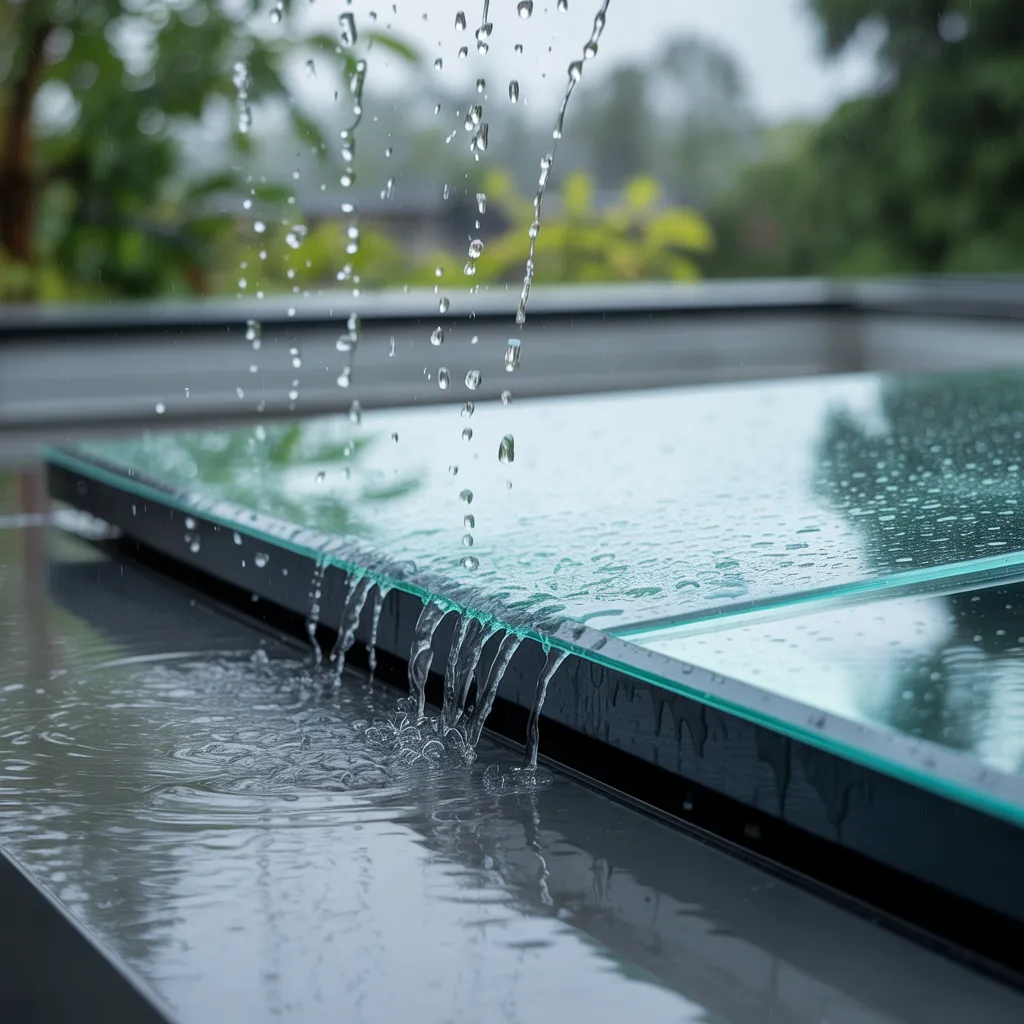
Why should you think about adding a rooflight? Rooflights offer numerous advantages that enhance both the aesthetic and functional aspects of a home. They turn gloomy spaces into light-filled, inviting environments by permitting natural sunlight to stream in, which can greatly enhance mood and well-being. Greater levels of natural light decrease dependence on artificial lighting, which in turn helps to reduce energy bills.
Additionally, rooflights can boost ventilation, offering a fresh air flow that promotes a healthier indoor environment. Many homeowners appreciate the added architectural interest that rooflights bring, making their homes more beautiful. Moreover, a well-placed rooflight can even improve property value, attracting potential buyers with its sleek and airy appearance. Ultimately, installing a rooflight can lead to a brighter, healthier, and more valuable living space, making it a beneficial choice for all homeowners looking to enhance their property.
Selecting the Ideal Rooflight for Installation
When picking out the most suitable rooflight for fitting, property owners must evaluate various factors to make certain it meets their needs and suits their living area. To begin with, the measurements and design of the rooflight are vital; it should fit well within the established design while delivering ample natural light. Furthermore, the choice of glazing is critical; selections including double or triple glazing offer better insulation and energy efficiency. Homeowners should also consider the rooflight's ventilation options, as proper airflow can contribute to reducing humidity and improve indoor air quality.
Visual factors, such as the materials and colors of frames, also play a role in ensuring the rooflight elevates the overall look of the home. Lastly, it is crucial to assess local planning permissions and building regulations, which may impact the selection of a rooflight. By weighing these factors thoughtfully, homeowners can choose a rooflight that addresses practical needs and enhances the overall living experience.
Step-By-Step Installation Process
Following the selection of the correct rooflight, the following step requires the installation method, which demands thorough consideration to guarantee a positive result. The primary task is to prepare the installation area by checking the roof is accessible and clean. Subsequently, measurements should be recorded precisely to mark the desired location for the rooflight, guaranteeing correct positioning relative to the current roof framework.
Subsequently, the roofing materials are precisely cut according to the predetermined measurements. This is followed by the installation of a curb or frame to reinforce the rooflight, which must be firmly secured to guard against leaks. With the curb properly positioned, the rooflight is set in position and sealed with protective waterproof flashing. Finally, any final details, such as inside trim, are added to complete the installation. This methodical approach helps confirm the rooflight operates effectively while improving the home's appearance and natural light.
What Tools Are Required for Rooflight Installation?
A number of important tools are necessary for a proper rooflight fitting. Homeowners should gather specific items to guarantee efficiency and safety during the process. A power drill is essential for making precise holes and securing fixtures. A circular saw or jigsaw is required for making the cut in the roof, while a measuring tape ensures accurate dimensions. A level is crucial for aligning the rooflight correctly.
Safety accessories, including gloves and goggles, defends against common risks. In addition, a roofing nail gun or hammer will facilitate the securing of shingles or flashings around the skylight. A caulk applicator is also vital for preventing leaks and sealing joints. To complete the toolkit, a robust ladder or scaffold system offers secure access to the rooftop. With these tools ready in advance, householders can complete the installation efficiently and achieve excellent outcomes.
Readying Your Roof: Safety and Structural Guidelines
Before commencing a rooflight setup, it is crucial to emphasize safety and examine the roof's structural integrity. Proper safety gear, such as helmets and harnesses, is necessary to protect against potential hazards. In addition, conducting a thorough inspection of the roof guarantees it can accommodate the new fitting without affecting structural stability.
Safety Gear Essentials
Safety during rooflight installation starts with proper gear selection. A hard hat should be a priority for homeowners to guard against debris that may fall. Wearing non-slip footwear is crucial for maintaining grip on the roof, minimizing the chance of slipping or falling. Additionally, safety harnesses should be employed when working at useful tips significant heights, anchoring securely to prevent accidents. Eye protection shields against dust and stray particles, and gloves offer a secure grip while shielding hands from sharp surfaces. It's also advisable to use knee pads for comfort during extended periods on the roof. Through the use of these vital protective items, homeowners can minimize hazards and focus on the installation process with greater confidence and security.
Structural Evaluation
Performing a structural integrity assessment is essential for a successful rooflight installation, as it helps identify any underlying issues that may affect the roof's stability. The first step for homeowners is to inspect the supporting rafters and joists for signs of damage, such as cracks or rot. It is vital to assess the existing roofing materials, verifying they can bear the extra weight of the rooflight. Consulting a structural engineer can provide valuable insights, especially for properties with previous damage or older constructions. Furthermore, ensuring proper drainage and ventilation is important to prevent future complications. By addressing these structural considerations, homeowners can secure a reliable installation, enhancing both safety and the longevity of their rooflight.
Set Up Your Rooflight Successfully: Key Guidelines
Successful rooflight installation copyrights on proper planning and a keen eye for detail. Homeowners should begin by collecting all required tools and materials, ensuring everything is accessible before commencing. Carefully following the manufacturer's instructions is strongly advised, as each rooflight may have specific requirements.
Additionally, creating a comprehensive plan optimizes the installation process. Identifying the spot where the rooflight will be installed helps avoid mistakes, while double-checking measurements guarantees accuracy.
When working through the roof, using a sharp cutting blade can avoid damage to surrounding materials. Essential safety measures, such as securing the work area and wearing protective gear, are necessary to avoid accidents.
Properly sealing the rooflight is critical to avoid leaks. Homeowners should apply a high-grade sealant around the edges to guarantee durability. By adhering to these important tips, the installation procedure can progress without issues, leading to a seamless and visually appealing rooflight installation.
The Top 5 Installation Challenges with Effective Solutions
Throughout the process of rooflight installation, various challenges can arise that may hinder progress. Pinpointing typical problems is crucial to effective problem-solving. This article will present the top five obstacles and supply effective strategies to guarantee a smooth installation.
Common Installation Difficulties
Installing rooflights may involve a number of obstacles that can slow things down and affect the end result. A frequent challenge is poor structural foundation, which can create safety concerns and compromised integrity. Environmental factors, such as wet conditions or gusty winds, can set back the installation schedule and reduce material effectiveness. Additionally, inaccurate measurements may cause rooflights to fit incorrectly, necessitating costly adjustments. An additional complication arises from working around pre-existing plumbing or electrical infrastructure, which can make installation more difficult. Lastly, obtaining the necessary permits can be time-consuming, leading to setbacks and possible legal complications. Recognizing these obstacles early can enable homeowners to make adequate preparations, ensuring a smoother installation experience.
Effective Problem-Solving Strategies
Managing the intricacies of rooflight installation commonly necessitates efficient solutions to address common challenges. One prevalent issue is inaccurate sizing, which can cause ill-fitting units, verifying measurements before buying is crucial. An additional difficulty is ensuring structural integrity; seeking expert advice can assist in assessing the roof's load-bearing ability. Water infiltration during installation is a widespread issue, utilizing high-grade sealants and observing manufacturer recommendations can minimize this hazard. Moreover, challenges related to electrical wiring for built-in lighting can occur; residents would benefit from enlisting a certified electrical professional. To conclude, dealing with unforeseen weather fluctuations may delay progress; planning installations for periods of suitable weather is recommended. By proactively addressing these obstacles, homeowners can ensure a more seamless rooflight fitting experience.
Frequently Asked Questions
How Long Does It Typically Take to Install a Rooflight?
Installing a rooflight typically takes one to three days, based on elements such as the complexity of the design, the roofing materials used, and local weather conditions, to ensure a proper fit and seal for ideal performance.
Can I Fit a Rooflight on My Own or Should I Hire a Professional?
Homeowners can install a rooflight themselves if they are equipped with the right tools and expertise, but hiring a professional is often recommended for the best results and to ensure adherence to building regulations and safety requirements.
What Upkeep Is Needed After Installation?
After installation, regular maintenance for a rooflight includes cleaning the glass, checking seals for leaks, inspecting surrounding roofing materials, and ensuring proper drainage. Following these measures helps preserve performance and prolongs the rooflight's service life.
Are Rooflights an Energy-Efficient Choice for My Home?
Rooflights can be energy-efficient options for residential properties, enabling natural light to minimise dependence on artificial lighting. Properly installed and insulated, they contribute to thermal efficiency, likely decreasing heating and cooling bills over time.
What Permits Are Needed for Rooflight Installation?
Generally, homeowners are required to secure building permits for rooflight installation, which can involve planning permission and compliance with area building requirements. Checking with local authorities guarantees alignment with zoning ordinances and safe building practices prior to commencing the installation.